
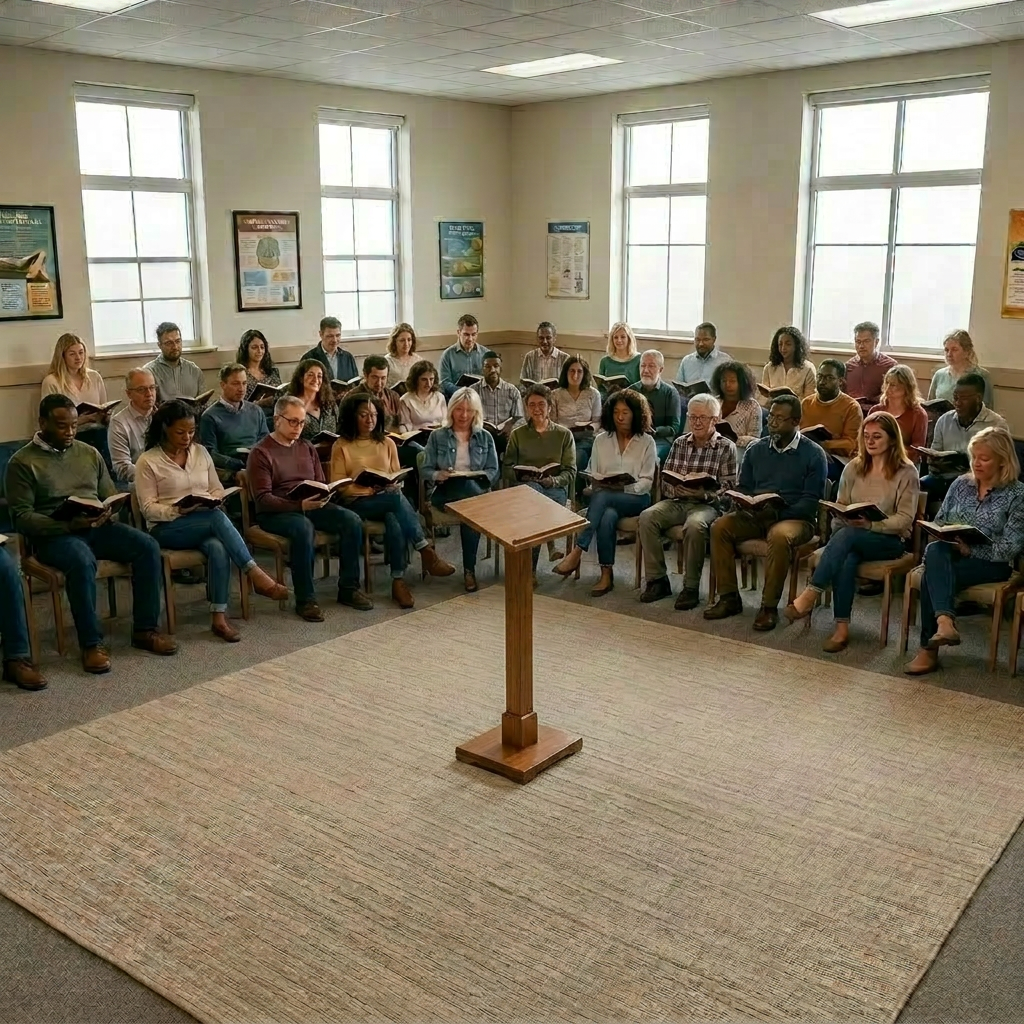
A large Bible study group is a blessing—more people, more stories, more spiritual momentum. But it also comes with a challenge: the bigger the room, the easier it is for people to feel anonymous, disconnected, or unsure of their place. The good news is that size doesn’t have to determine the quality of community. With intentional leadership, even a group of 25, 50, or larger can feel warm, personal, and deeply connected.
Here are three strategic ways to make a large Bible study group feel smaller, more relational, and more spiritually meaningful.
1. Create Predictable Connection Rhythms That Build Trust
The key to shrinking a large group is consistency. People feel known when they experience repeated, predictable moments of connection—not random or occasional ones. When you build rhythms into the gathering, you create relational “touchpoints” that help people move from strangers to spiritual companions.
A few powerful rhythms include:
- Start every session with a simple connection question. Something like “What’s one good thing from your week?” or “What’s a small win you’re celebrating?” These questions are low-pressure but high-impact. It’s even more effective if you have people share their responses in groups of three or four people.
- Include a short “turn and talk” moment during teaching. A 60-second conversation about a question or verse helps people engage with Scripture and with each other.
These rhythms don’t require extra volunteers or extra time—just intentionality. Over time, they create a sense of belonging that makes even a large room feel relationally close.
2. Leverage Smaller Breakout Groups for Discussion and Care
Large groups thrive when they function like a “big circle made up of many small circles.” Breakout groups—whether formal or informal—are the most effective way to help people feel seen and heard.
You can structure these in several ways:
- Consistent breakout groups: Assign people to the same discussion group for a quarter or semester. This builds trust and accountability.
- Rotating groups: If your group is highly transient or you want to encourage broader connection, rotate groups every few weeks.
- Table groups: If your room is set up with tables, let each table function as a mini–Bible study community.
- Pair Share: Encourage people to group up with a neighbor for a quick discussion. Because most people don’t sit in exactly the same spot each time, this will help people connect with others they may not normally associate with.
Breakout groups also allow you to identify emerging leaders. When you see someone facilitating conversation well, praying for others, or showing pastoral instincts, you’ve found someone who may be ready for greater responsibility.
Most importantly, these smaller circles give people a place to share prayer requests, ask questions, and process Scripture in a way that simply isn’t possible in a large-group format.
3. Empower Members to Take Ownership of Community Life
A large group feels small when people stop seeing themselves as attendees and start seeing themselves as contributors. When members take ownership of hospitality, care, and connection, the group becomes a family rather than a crowd.
Here are a few ways to empower ownership:
- Assign simple roles: greeters, prayer leaders, discussion facilitators, follow-up callers, or hospitality helpers. Even small roles create big buy-in.
- Encourage members to initiate outside-the-room connections: coffee meetups, shared meals, text threads, or prayer partnerships.
- Celebrate stories of community: When someone shares how the group supported them, it reinforces the culture you want to build.
Ownership transforms the group dynamic. Instead of one leader trying to make the group feel small, you have dozens of people actively creating a culture of care.
In Summary
A large Bible study group doesn’t have to feel large. With intentional rhythms, smaller discussion environments, and empowered members, you can create a warm, relational, spiritually rich community where people feel known, valued, and connected.
 kenbraddy.com