
When God wants to change a city, a culture, or even a continent, He often begins with something small—something that looks insignificant at first glance. The story of the church at Philippi is one of Scripture’s clearest examples. What began with a single convert in Europe grew into a vibrant, diverse, and influential congregation. And tucked inside that story is a powerful encouragement for Bible study groups today: never underestimate what God can do with a small beginning.
Many Bible study leaders (and their group members) are resistant to starting new groups. I hear this all the time in my travels and conversations with church leaders. That topic came up three times this week alone! Sometimes we think that sending out a small launch team won’t make a big difference. I want to remind us that small beginnings often make a big difference.
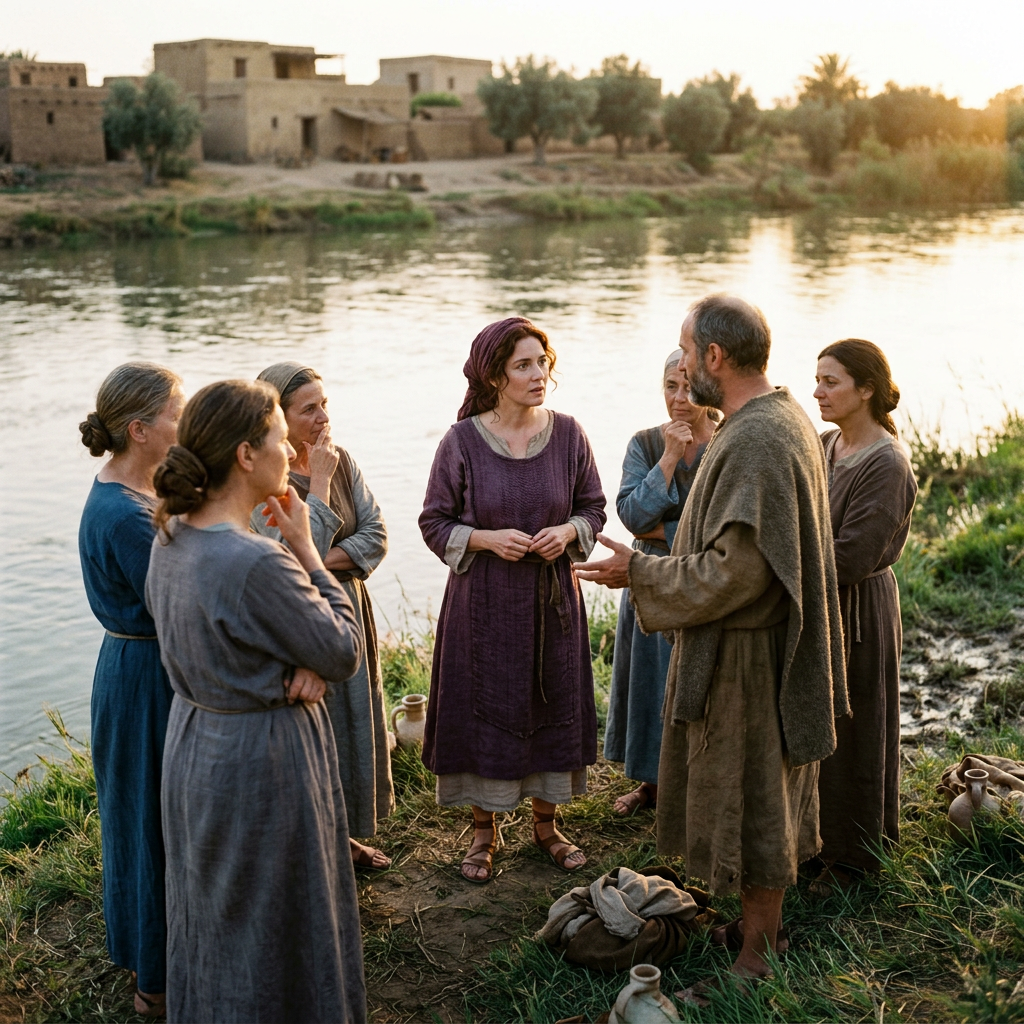
What I’d like you to consider, especially if you are a leader of an adult Bible study group, is a biblical example of a small beginning that led to a famous church being started in Philippi. I’m going through the Tony Merida study, The Footsteps of Paul, with a group of men from my church, and God is using it to remind me of some very important things from Paul’s missionary journeys. The Apostle Paul encountered a group of women who were gathered at the river, praying early in the morning. It was there that he explained the gospel to them, and Lydia and her household believed the gospel message.
Let’s take a look at the account of the gospel reaching Europe, the conversion of Lydia (the first person on European soil to accept Christ), and the formation of the church at Philippi.
You may think that sending out a few people from your group is not significant because they are small in number. But new groups often don’t stay small. The church at Philippi is a prime example of this.
See if you can relate how the account of the beginning of the Philippian church connects to your group and the way a small beginning often makes a big impact. Let’s ask ourselves, “Do I believe that God can do a big work with a small group of people like He did in Acts 16?” If we do believe that, then perhaps we’ll encourage small groups of people to leave our groups, step out in faith, and reach new people with the gospel.
If we don’t believe God can use small groups of people to do Kingdom-sized things, then we’ll horde our people, believe that “bigger is better,” and selfishly hold onto people who could be released to reach many new people with the gospel.
1. Lydia’s Conversion Shows That God Often Starts with One
Acts 16 introduces us to Lydia, a successful businesswoman from Thyatira who gathered with other women by the river to pray. Paul shared the gospel, and Scripture says, “The Lord opened her heart to respond to Paul’s message.” With that moment, the first Christian convert in Europe was born.
Lydia didn’t wait for a crowd, a building, or a formal structure. She opened her home. She offered hospitality. She took her first steps of obedience. And from her living room, the Philippian church began.
Bible study groups launching new ones often feel the tension of sending out “just a few people.” It can feel like loss. It can feel too small to matter. But Lydia reminds us that God delights in beginning with one. A single household gathering around Scripture can become the seed of a new gospel movement. When a group sends out two or three leaders to start something new, they are stepping into the same pattern God used in Philippi—small, faithful beginnings that He grows in His timing.
If you are an adult group leader, I imagine that you have at least one person in your group, probably more, who would respond to an invitation to apprentice with you and step out in faith to begin a new group. Don’t discount the impact that one (or a few) people can make in beginning a new group.
Too often group leaders think that a pastor or other leader wants to “split” or “divide” the group down the middle. Not so! Often what is needed are a few committed people who see the potential of beginning a new gospel work by starting a group. Encouraging a small number of adults to “seed” a new group is the best of both worlds! An existing group creates another one, people obey God and leave the group to start the new one, and growth takes place.
The growth is not just physical growth (of both groups), but spiritual growth that matures believers as they obey God and see His work firsthand. The “parent” group and the “daughter” group both obey the Great Commission, step out in faith, and make room for new people (in both groups!).
In my experience, the group that launches other groups, and the groups that are launched, all benefit from the experience as they see God use them to reach individuals, couples, and entire families.
2. The Philippian Church Quickly Became a Diverse, Life‑Changing Community
What started with Lydia didn’t stay small for long. Philippi’s church soon included people from radically different backgrounds. A Roman jailer—perhaps a retired soldier—became a believer after witnessing God’s power during an earthquake. He and his household were baptized that same night. A slave girl freed from demonic oppression may also have become part of the believing community. If she did, she would have joined a group that included wealthy merchants, blue‑collar workers, and those society overlooked.
This is the beauty of new groups: they attract new people.
A freshly launched Bible study group often reaches individuals who would never walk into an existing one. New groups create new relational pathways. They feel accessible. They feel open. They feel like a fresh start. Just as Lydia’s home became a gathering place for people who had nothing in common except Jesus, new Bible study groups today can become spiritual homes for people who might otherwise remain on the fringes.
When a Bible study group sends out a handful of members to begin a new group, it is creating space for new stories, new backgrounds, and new testimonies to emerge. Diversity grows when new groups are planted.
3. Small Groups That Multiply Launch Other Groups That Multiply
The church at Philippi became one of Paul’s most beloved congregations. It supported his ministry financially. It grew in maturity. It became a model of generosity and partnership. But all of that began with a tiny gathering in Lydia’s home.
Bible study groups today have the same potential. A group that launches a new one is doing more than reorganizing people—they are participating in gospel expansion. They are choosing mission over comfort. They are embracing the truth that multiplication, not maintenance, is the heartbeat of disciple‑making. When a new group is launched, something is embedded in the group’s DNA – a missionary spirit, an entrepreneurial mindset, and excitement about reaching new people for Jesus.
Sending out a few people may feel costly, but it is the pathway to growth. Big things often begin with small, faithful steps.
Will you and your group embrace the example we see in Acts 16 and believe in “the power of small”? Talk with your group about launching a new one when you meet again for Bible study.
You may be surprised that you have group members who see the potential of a new group, have a missionary mindset, and believe God can use them to reach new people for Jesus, just like He used Paul, Lydia, the jailer, and even a formerly possessed girl to reach many lost people.

